Wondering whether a historic Pasadena home or a newer property is the better fit for your next move? In a city known for architectural character and a housing stock that skews older, this choice is more than a style preference. If you are weighing charm, upkeep, flexibility, and long-term comfort, this guide will help you compare the tradeoffs with more clarity. Let’s dive in.
Why this choice matters in Pasadena
Pasadena is one of those rare places where the historic-versus-newer question comes up often for buyers. According to the city’s 2025 housing analysis, Pasadena had about 62,655 housing units in 2020, and more than 77% of them were built before 1980.
That means many buyers are not simply choosing between two homes. You are often choosing between two very different ownership experiences. In Pasadena, that can mean a character-rich older house in a historic setting or a newer condo, townhome, or contemporary build with a more current systems baseline.
The city’s preservation program also notes that Pasadena has protected historic resources since 1969 and includes more than 1,000 properties listed in the National Register of Historic Places. Pasadena is widely regarded as a center of architecture in Southern California, so architectural identity is a real part of the home search here.
What historic Pasadena homes offer
For many buyers, the biggest draw of a historic home is simple: character you can feel the moment you walk in. Pasadena’s architectural legacy includes late-19th- and early-20th-century homes, period-revival styles, and notable historic housing forms across the city.
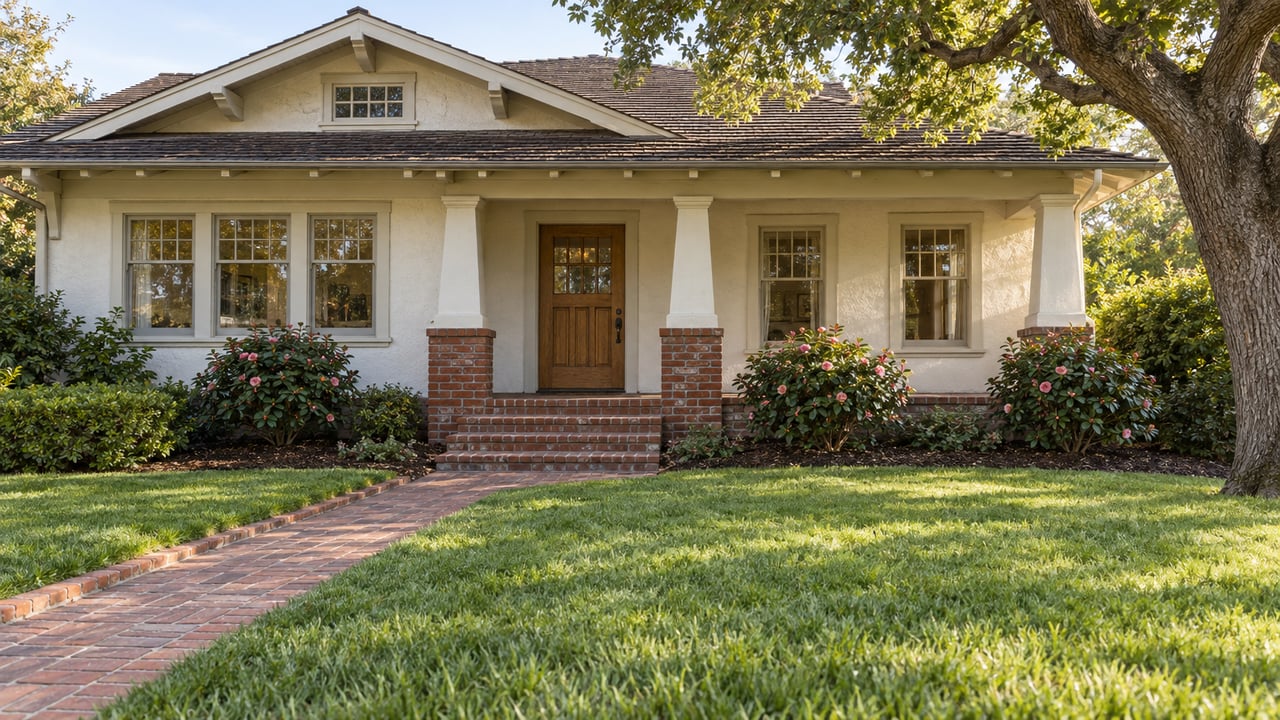
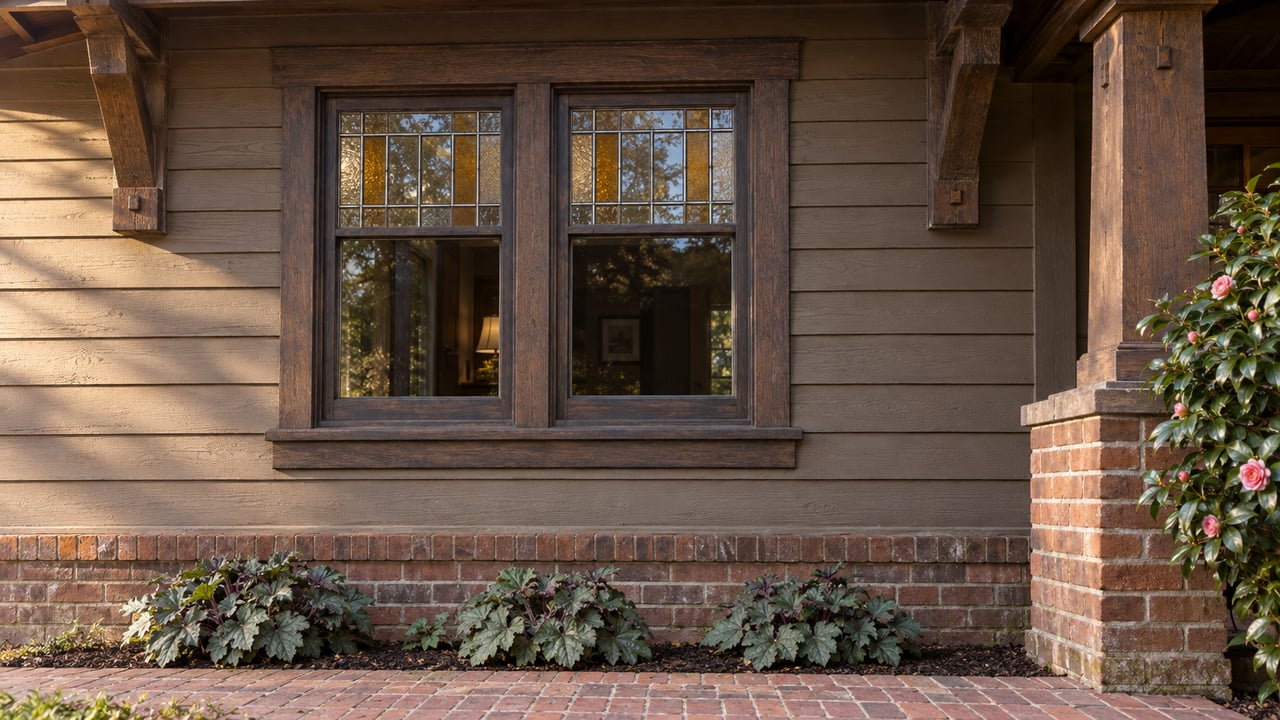
Craftsman homes are one of the clearest examples. National Park Service guidance describes hallmark features such as low-pitched roofs, wide eaves, exposed rafters, and porches with tapered columns. If you are drawn to warmth, detail, and a strong sense of place, an older Pasadena home may check that box in a way newer construction often does not.
Some buyers also find a middle ground in Pasadena’s bungalow courts. The city describes these as small one-story houses or duplexes arranged around a shared landscaped courtyard, offering a blend of privacy and a more connected layout. For downsizers especially, that can be an appealing historic option that feels more manageable than a larger detached house.
Historic homes can feel one-of-a-kind
Older homes often stand out because they were not built to a uniform template. Materials, trim, built-ins, porches, windows, and floor plans can give each property a distinct personality.
In Pasadena, that uniqueness often carries extra meaning because so many neighborhoods already include landmark or historic districts. If architecture matters to you, buying an older home here can feel like becoming part of the city’s ongoing story.
Historic ownership may include incentives
There can also be a financial upside in some cases. Pasadena’s Mills Act program is a local historic property contract program, and the California Office of Historic Preservation says Mills Act contracts may provide property tax relief in exchange for restoration and maintenance commitments.
That does not apply to every older home, and qualifying matters. Still, if you are considering a designated historic property, it is worth asking whether the property has a Mills Act contract or may be eligible.
What to consider before buying historic
Charm is real, but so are the responsibilities that can come with it. Pasadena’s housing analysis says much of the city’s older housing stock was built before modern codes and energy-efficiency standards and is more likely to have outdated electrical, plumbing, and structural systems.
That does not mean every older home will have major issues. It does mean you should look closely at the condition of core systems and plan your budget with care. Roof age, HVAC performance, electrical capacity, and plumbing condition can all matter more in an older property.
Renovations may be less flexible
If a home is designated as a historic resource or sits within a historic district, future changes may involve additional review. The city says projects affecting a historic resource may require a Certificate of Appropriateness.
That review can apply to new construction, alterations, additions, relocations, and demolitions under local design guidelines and the Secretary of the Interior’s Standards. In practical terms, a beautiful historic home may offer less freedom if you hope to make major exterior changes later.
Older homes may need lead-safe planning
Pasadena’s housing analysis points to lead-based paint risk in older housing, and this is especially important for homes built before 1978. EPA guidance says homes from that era may contain lead-based paint, and renovation work that disturbs it must follow lead-safe work practices.
If you are buying an older property and expect to remodel, this is not something to gloss over. It is a practical due-diligence item that can affect both your timeline and renovation planning.
What newer Pasadena homes offer
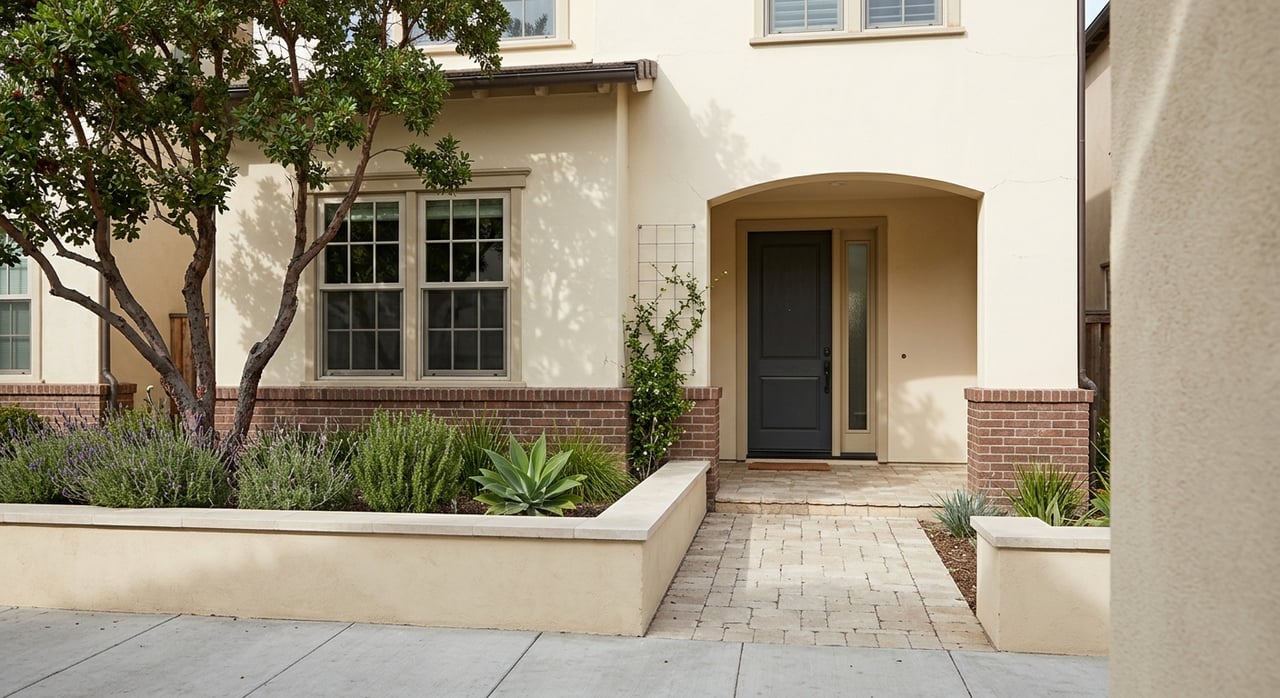
If your priority is convenience, efficiency, or a more turnkey feel, newer homes often start with clear advantages. In Pasadena, that usually means newer condos, townhomes, or contemporary single-family homes rather than large numbers of newly built detached houses.
The California Energy Commission says the Energy Code governs newly constructed buildings, additions, and alterations. The 2025 update, enforced starting January 1, 2026, emphasizes heat pumps, electric-ready design, photovoltaic and battery readiness, and improved ventilation in multifamily buildings.
That does not guarantee every newer property will perform the same way. But in general, newer homes tend to begin from a stronger energy-efficiency baseline than many older houses.
Newer homes can mean fewer immediate projects
For buyers who do not want to tackle repairs right away, newer construction can feel more predictable. You may face fewer immediate questions about outdated wiring, aging plumbing, or major system replacements.
That can be especially helpful if you are relocating, simplifying, or helping a parent move. In those situations, many buyers value a home that reduces the number of near-term decisions.
Accessibility may be easier to evaluate
Pasadena’s housing analysis says aging housing stock increasingly raises concerns about accessibility, condition, and energy efficiency, and that older homes often lack accessibility features. While not every newer condo or townhome will be a perfect fit, newer construction may be a better starting point if step-free living or easier circulation matters to you.
This is an important point for downsizers and long-term planners. If you want a home that may be easier to adapt over time, newer properties often deserve a close look.
What newer homes may not offer
The tradeoff is usually less architectural identity. Pasadena’s appeal is deeply tied to its historic context, and newer properties often lead with function first rather than craftsmanship or period detail.
That does not make them less valuable. It simply means the emotional experience can be different. If you have always pictured a front porch, original millwork, or a classic Craftsman profile, a newer home may feel efficient but less soulful.
How to decide what fits your life
The right choice often comes down to how you want to live, not just what style you prefer. A historic home may be the better fit if you value original character, appreciate design details, and feel comfortable budgeting for maintenance and possible preservation requirements.
A newer townhome, condo, or contemporary build may fit better if you want a newer systems baseline, fewer immediate renovation decisions, and a layout that may be easier to navigate over time. In Pasadena, both paths can make sense. The key is being honest about your priorities from the start.
Questions to ask on every Pasadena home tour
When you compare homes, a few practical questions can quickly bring the tradeoffs into focus:
- What year was the home built?
- Is the property designated as historic or located in a landmark or historic district?
- Would future remodeling require a Certificate of Appropriateness?
- What is the condition of the roof, electrical, plumbing, and HVAC systems?
- If the home predates 1978, is there potential lead-based paint risk?
- Does the layout support step-free living or future accessibility changes?
- For a historic property, are there limits on exterior changes or redevelopment?
These questions matter whether you are buying your forever home, downsizing to something simpler, or helping a family member make a thoughtful move. They can help you move beyond surface appeal and focus on day-to-day ownership.
A balanced Pasadena approach
In Pasadena, choosing between historic and newer homes is rarely just about old versus new. It is about deciding whether you want architectural identity, easier maintenance, future flexibility, or a blend of those priorities.
If you love design and do not mind the responsibilities that may come with an older property, a historic home can be deeply rewarding. If you want comfort, efficiency, and a simpler ownership path, a newer condo, townhome, or contemporary home may be the better fit.
The best decision is usually the one that matches your lifestyle, budget, and plans for the years ahead. If you are comparing options in Pasadena and want calm, knowledgeable guidance, Laurie Turner can help you evaluate the details and choose with confidence.
FAQs
What makes historic homes in Pasadena different from newer homes?
- Historic Pasadena homes often offer stronger architectural character and original design details, while newer homes usually provide a more current systems baseline, easier energy-efficiency starting point, and fewer immediate renovation concerns.
Are historic homes in Pasadena harder to remodel?
- Often, yes. The City of Pasadena says projects affecting a historic resource may require a Certificate of Appropriateness, which can apply to alterations, additions, relocations, and demolitions.
Do older Pasadena homes always cost more to maintain?
- Not always, but Pasadena’s housing analysis says much of the older housing stock predates modern codes and energy-efficiency standards and is more likely to have outdated electrical, plumbing, and structural systems.
Can a historic Pasadena home qualify for property tax relief?
- Sometimes. Pasadena’s Mills Act program may provide property tax relief for qualifying historic properties in exchange for restoration and maintenance commitments.
Should buyers be cautious about lead paint in older Pasadena homes?
- Yes. Homes built before 1978 may contain lead-based paint, and renovation work that disturbs it must follow lead-safe work practices.
Are newer Pasadena condos and townhomes better for downsizing?
- They can be a strong option because newer homes often offer a more manageable systems baseline, and Pasadena’s housing analysis notes that older homes often lack accessibility features.