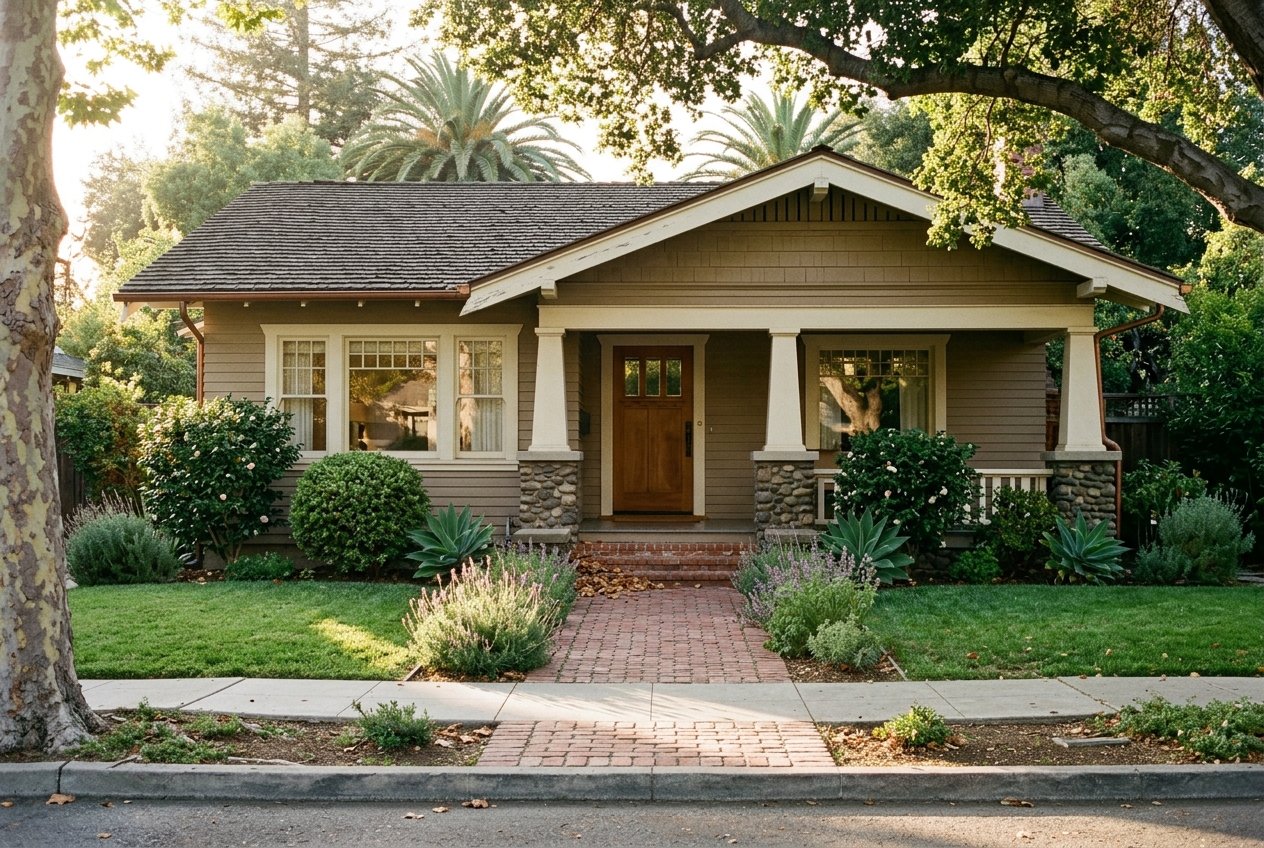
If you love architecture, Pasadena can feel less like one housing market and more like a living design atlas. From front-porch Craftsman streets to garden-like historic enclaves, modern ranch homes, and walkable mixed-use districts, the city offers a remarkable range of styles in a relatively compact area. If you are trying to match your taste to the right part of town, this guide will help you narrow the search and understand what makes each area distinct. Let’s dive in.
Why Pasadena Stands Out
Pasadena has long been recognized by the city as a center of architecture in Southern California. The city’s Historic Places program notes more than 200 designated historic sites and 26 historic neighborhoods, which gives buyers a much richer mix of housing styles than you might find in a more uniform market.
That matters if you are design-driven. Instead of thinking about Pasadena as one broad category, it helps to think of it as a collection of architectural micro-markets, each with its own visual rhythm, housing stock, and preservation context.
What Design-Minded Buyers Should Know
Before you fall in love with a facade, it is smart to understand how historic preservation works in Pasadena. The city requires design review for new construction and for many exterior alterations, and landmark or historic-district projects may also need a Certificate of Appropriateness.
For some buyers, that is part of the appeal. Historic designation does not by itself affect allowed use or sale, but it can shape what you can do to the exterior and how future changes are reviewed. The city also notes that some eligible designated historic properties may qualify for Mills Act property-tax relief.
Craftsman Pasadena
Bungalow Heaven
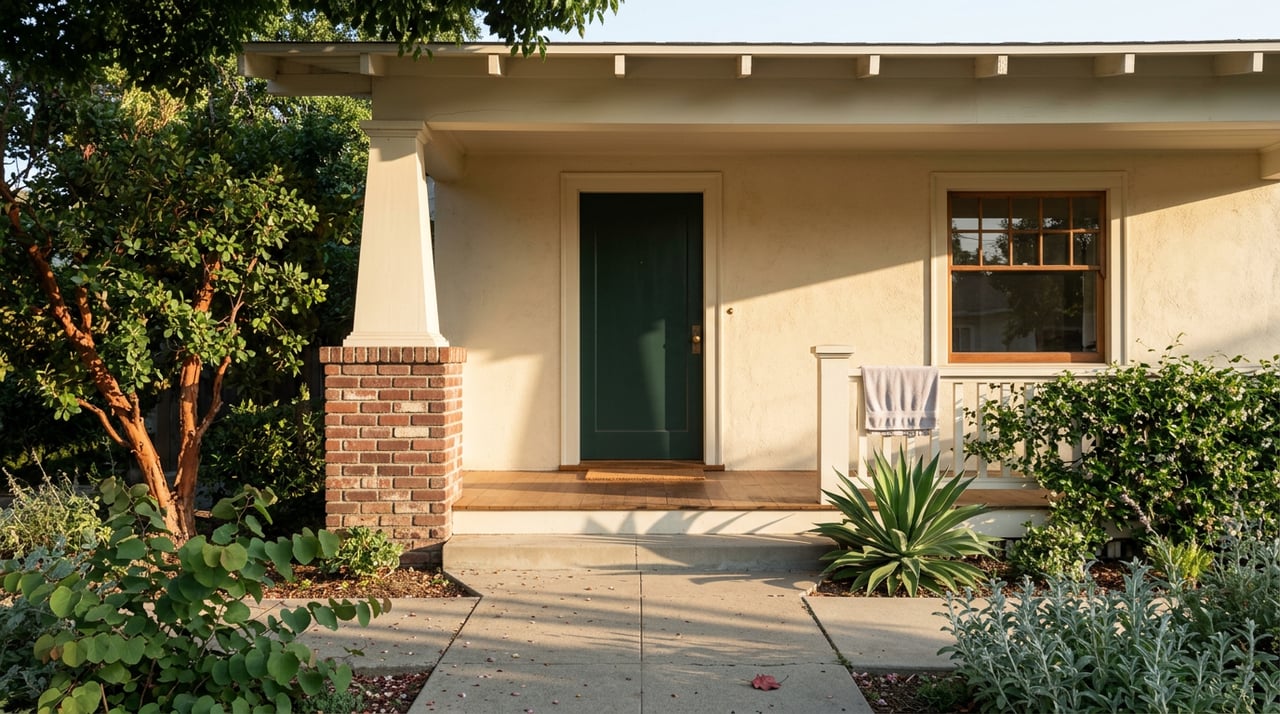
If your ideal home includes a generous porch, detailed woodwork, and classic bungalow character, Bungalow Heaven should be high on your list. The area is closely tied to Pasadena’s Craftsman identity, with most homes built between 1906 and 1914, plus some later revival-style homes and scattered infill.
Pasadena Heritage describes Bungalow Heaven as its signature Craftsman district. It was designated a Landmark District in 1989 and later listed on the National Register in 2008, making it one of the clearest choices for buyers who want a neighborhood with strong preservation visibility and a very specific architectural feel.
Garfield Heights
Garfield Heights is another compelling option if you want early Pasadena character with a layered look. Pasadena Heritage describes it as one of the city’s earliest landmark districts and notes a story that moves from Victorian-era homes into the Arts and Crafts period.
That architectural progression gives the area a little more stylistic variety than a neighborhood centered almost entirely on bungalow-era homes. If you appreciate tree-lined streets and a strong sense of neighborhood identity, Garfield Heights deserves a closer look.
South Marengo Bungalow Courts
Not every design lover is looking for a detached single-family house. Pasadena is considered the birthplace of the bungalow court, a housing type arranged around shared landscaped courtyards, and the city has documented 112 bungalow courts across Pasadena.
The biggest concentration sits along South Marengo Avenue between California Boulevard and Glenarm Street. In this corridor, you will find examples spanning Craftsman, period revival, Minimal Traditional, and even Art Deco styles, which makes it a standout option if you want compact living with design credibility and a strong connection to outdoor shared space.
Historic Districts With Variety
Ford Place and Arroyo Terrace
If you are drawn to smaller enclaves with a highly curated architectural feel, Ford Place and Arroyo Terrace are worth having on your radar. Ford Place was created in 1902 as a small subdivision of just ten houses, with styles that include Craftsman, Shingle, Prairie, Tudor Revival, and Mission Revival.
That mix gives Ford Place unusual visual richness in a very concentrated setting. The park-like landscape, deep lots, and mountain views add to the appeal for buyers who want architecture and setting to work together.
Arroyo Terrace offers a different kind of design pedigree. It is especially notable for its Greene and Greene presence, with fifteen properties in the district, eleven contributors, and eight Greene and Greene designs. Details like clinker brick, stone retaining walls, and mature trees help create a distinct garden-street atmosphere.
Prospect Historic District
The Prospect Historic District blends Prospect Park and Arroyo Park, two of Pasadena’s earliest subdivisions. According to the city, this district is defined by wide curved streets, generous lots, mature street trees, and a varied architectural inventory.
You will see Queen Anne, California Bungalow, Spanish Colonial Revival, Colonial Revival, Tudor and English Cottage Revival, and Mid-Twentieth Century Modern styles in the mix. The district also includes notable work by Greene and Greene and Frank Lloyd Wright, which makes it especially interesting for buyers who appreciate both architectural range and pedigree.
Estate and Garden Settings
Madison Heights
Madison Heights offers a classic historic Pasadena feel with a polished residential setting. District 7 describes it as one of Pasadena’s oldest neighborhoods, while the city’s residential development context notes that much of the area developed between 1910 and 1917 in Arts and Crafts styles, followed by Period Revival homes in the 1920s.
For buyers, that often translates into a strong streetscape and a balanced architectural mix. If you want a neighborhood that feels established, graceful, and rooted in early 20th-century design, Madison Heights is a natural fit.
Oak Knoll
Oak Knoll has a different rhythm. First subdivided in 1886, it developed on curving streets that followed the natural topography, and later construction filled in with larger homes.
District 7 groups Oak Knoll with Madison Heights as one of Pasadena’s oldest neighborhoods and notes the mature street-tree canopy and walkability. If you are drawn to estate-scale homes, more winding streets, and a sense of landscape shaping the neighborhood, Oak Knoll offers a distinctive experience.
Postwar Modern and Ranch Pasadena
Linda Vista, San Rafael, and Pegfair Estates
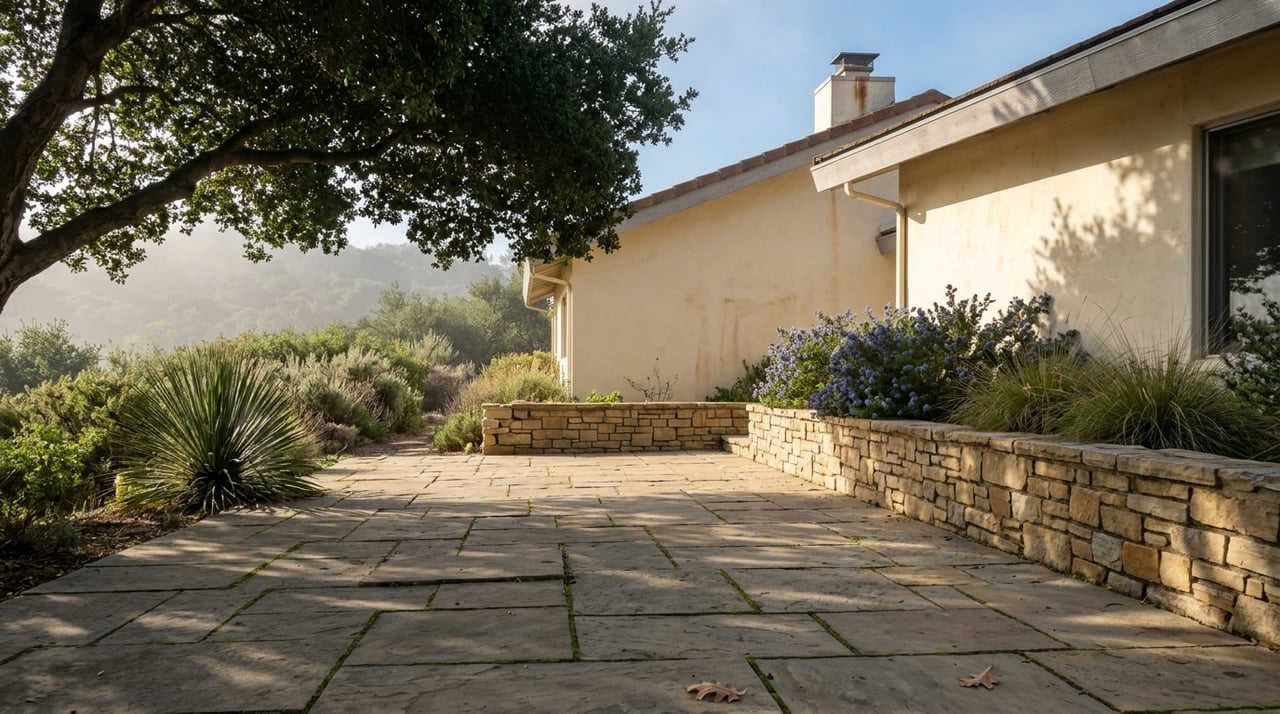
If your taste leans away from early 20th-century detailing and toward cleaner lines, hillside siting, and indoor-outdoor living, look west. Linda Vista and San Rafael developed later than central Pasadena, on the west side of the Arroyo Seco and at the base of the San Rafael Hills, with new housing tracts opening in the mid-1940s and early 1950s.
Pasadena’s mid-century tours highlight modernist and ranch work in these areas, including homes by Buff and Hensman and John Lautner. Pegfair Estates is also noted for examples of Modern Ranch and Contemporary Ranch styles, which makes this part of Pasadena especially appealing if you want a more spacious postwar feel.
These neighborhoods can be a strong match if you value room to breathe, a closer relationship to the landscape, and architecture that prioritizes flow and livability. For design-minded buyers, they offer a very different side of Pasadena than the city’s better-known bungalow districts.
Walkable Districts With Design Energy
Old Pasadena
If you want architecture plus urban energy, Old Pasadena belongs in the conversation. The city describes it as Pasadena’s original business district, with historic streets and alleyways, rustic brick facades, rail access, and more than 300 businesses.
This is not the place to focus on traditional single-family homes, but it is highly relevant if your design lens includes adaptive reuse, loft-style living, historic commercial architecture, and a walkable daily experience.
Playhouse Village
Playhouse Village brings a broader mixed-use feel across 32 blocks. The district includes art and home-furnishing boutiques, restaurants, bookstores, museums, and theaters, which can make it especially attractive if you want access to design, culture, and everyday convenience in one area.
For condo and townhome buyers, this district offers a different version of Pasadena living. It is more about street life, proximity, and creative energy than a single architectural style.
South Lake and Civic Center
South Lake is another district worth watching if you want urban living with strong local amenities. The city describes it as a 12-block corridor of shopping, dining, professional services, and urban living near Caltech and the Langham.
The Civic Center adds another layer, anchored by a notable concentration of Renaissance and Mediterranean architecture, including City Hall, Central Library, and Civic Auditorium. Even if you are shopping for a condo or townhome rather than a historic house, these districts help shape the design identity of daily life in Pasadena.
How To Choose The Right Fit
A simple way to think about Pasadena is by aesthetic type. That framework reflects how the city itself presents its historic layers, and it can make your search feel much more manageable.
Here is a quick way to narrow your focus:
- Love pure Craftsman character? Start with Bungalow Heaven and Garfield Heights.
- Want compact design-forward living? Look closely at the South Marengo bungalow-court corridor.
- Prefer varied historic architecture? Explore Ford Place, Arroyo Terrace, and the Prospect Historic District.
- Want estate feel and garden setting? Consider Madison Heights and Oak Knoll.
- Drawn to postwar modern or ranch homes? Focus on Linda Vista, San Rafael, and Pegfair Estates.
- Need walkability and urban energy? Old Pasadena, Playhouse Village, South Lake, and the Civic Center should be on your list.
The right neighborhood is not only about square footage or price point. It is also about how you want a home to feel, how much architectural consistency you prefer, and whether you want historic stewardship, hillside modernism, or a more urban lifestyle.
If you are buying or selling a design-driven home in Pasadena, nuance matters. Knowing how to position architectural character, preservation context, and neighborhood identity can make your decision clearer and your move more confident. If you would like thoughtful local guidance, Laurie Turner brings Pasadena roots, design fluency, and calm, high-touch representation to every step.
FAQs
Which Pasadena neighborhood is best for Craftsman homes?
- Bungalow Heaven is Pasadena’s clearest Craftsman match, while Garfield Heights also offers strong Arts and Crafts character with some Victorian-era homes in the mix.
What should buyers know about Pasadena historic districts?
- Pasadena requires design review for new construction and many exterior alterations, and landmark or historic-district projects may need a Certificate of Appropriateness.
Where can you find bungalow courts in Pasadena?
- Pasadena has documented 112 bungalow courts, with the largest concentration on South Marengo Avenue between California Boulevard and Glenarm Street.
Which Pasadena areas fit mid-century modern tastes?
- Linda Vista, San Rafael, and Pegfair Estates are key areas for buyers who like postwar modernist and ranch-style homes with hillside siting and indoor-outdoor flow.
Are there walkable Pasadena districts for condo buyers?
- Yes. Old Pasadena, Playhouse Village, South Lake, and the Civic Center are strong options if you want design appeal, urban energy, and a more walkable lifestyle.